
The Best Tween & Teen Pimple Patches for Clearer Skin and Confidence
Teen Pimple Patches: Do They Really Work or Are They Just a Trend?
If you’ve scrolled through TikTok or Instagram lately, you’ve probably spotted teens wearing small, clear stickers over their spots. These are pimple patches, and they’ve become a staple in teenage skincare. But here’s the question every parent and teen wants answered: are they actually helpful, or just another social media fad?
The good news is that many pimple patches are based on hydrocolloid technology that’s been used in wound care for decades. They can genuinely help reduce the visible appearance of whiteheads before school, during sleepovers, or the night before exams. This guide from Bare Addiction walks you through what pimple patches are, how they work, and why our teen-focused formula is specifically designed for breakout prone skin.
What Are Pimple Patches, Really?
Pimple patches are small adhesive stickers placed directly over individual spots. Most are clear or translucent, so you can wear them during the day without drawing attention. Think of them as a targeted cover for pimples that need a bit of extra care.
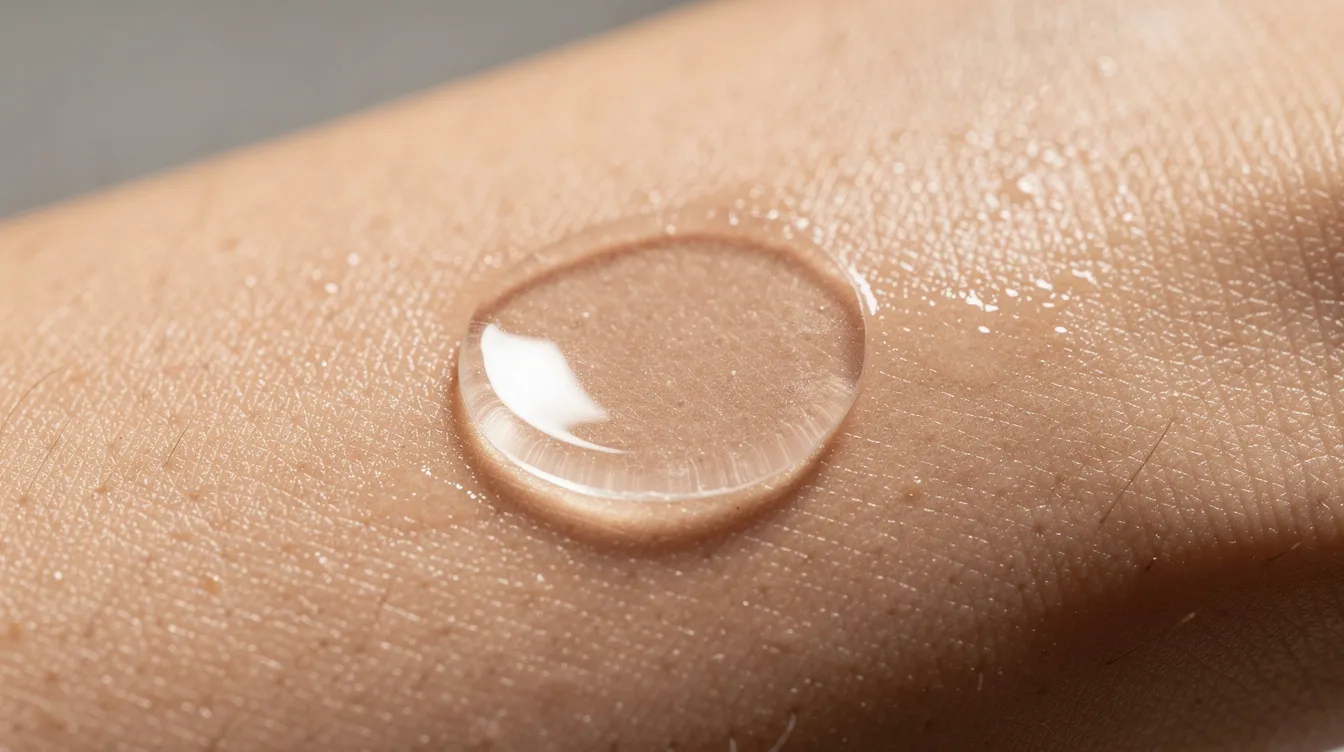
The core material in most hydrocolloid patches is a soft, gel-like dressing originally developed in hospitals for wounds. This material absorbs fluid, including pus and excess oil, from whiteheads while creating a moist, protected environment over the blemish.
They work best on surface-level whiteheads and pustules. A bare whitehead left overnight might remain inflamed and tempting to pick. The same spot covered with a patch typically looks flatter and less red by morning because the hydrocolloid has drawn out fluid and protected the area from friction and bacteria.
Non-medicated pimple patches consist only of hydrocolloid and are best for whiteheads that have come to a head. Using pimple patches can help prevent the transfer of bacteria from fingers to spots.
Are Pimple Patches Just a Trend or Backed by Science?
Hydrocolloid dressings have been used in medical wound care since the 1970s and 1980s, long before they became popular on social media. The technology works by drawing out excess fluid, cushioning the area, and reducing friction from pillows, masks, or fingers.
While pimple patches might come in fun shapes like stars and hearts, the underlying principle is rooted in real wound-management science. They help support the skin’s natural healing processes rather than aggressively stripping or popping blemishes.
This makes them a gentle alternative for teenage skin that’s often reactive and sensitive. Decades of use in medical dressings confirm they’re not just a passing fad but a practical tool for managing visible breakouts.
Why Pimple Patches Are Especially Helpful for Teens
Acne affects about 85% of teenagers, with oily and hormonal skin causing spots to appear quickly and unpredictably. Pimple patches (Hydrocolloid patches) provide a convenient and easy way to target blemishes on the go without interrupting a busy teen’s routine. Since most hydrocolloid patches are clear or translucent, they help make spots less noticeable, boosting confidence during school or social events.
Because teenage skin often shifts between oily and dry due to hormonal changes, pimple patches are generally gentler and less irritating than harsh spot treatments, making them a great option for reactive, delicate teenage skin.
Squeezing spots before school can introduce bacteria, worsening scarring and prolonging healing. Acting as a physical barrier, pimple patches prevent teens from picking at their spots, which can cause post-inflammatory marks. Damaging scrubs, on the other hand, strip the skin’s barrier and increase irritation.
These patches cover blemishes, keeping nails and fingers away while also protecting the area from dirt, sweat, and pollution during activities like PE or commuting. By calming the skin, patches reduce redness and lower the risk of hyperpigmentation.
Imagine wearing a patch overnight before a big exam and waking up to a less inflamed spot, or applying a clear patch under light makeup at a party without drawing attention. These real-life examples show how pimple patches fit seamlessly into a teen’s lifestyle without hassle or judgment.
Not All Pimple Patches Are the Same
Basic hydrocolloid patches mainly absorb fluid and provide a barrier. They stick to your spot, draw out oil, and protect it from external impurities. However, they don’t do much to calm redness, support hydration, or address post-blemish marks.
Hydrocolloid is the most important ingredient in spot patches, as it forms a gel when mixed with water and creates a moist environment for healing. Medicated patches are infused with active ingredients like Salicylic Acid, Tea Tree Oil, or Niacinamide.
Advanced spot patches include extra skincare ingredients within the patch itself. These actives target different stages of a blemish, from swelling to recovery.
When choosing patches for teenage skin, check the ingredient list. Look for options designed for acne prone skin rather than generic stickers that prioritise cute shapes over efficacy.
Some pimple patches on the market include ingredients like witch hazel, an anti-inflammatory known for soothing and promoting the healing of broken skin, and wasabi extract, which helps calm irritated skin. While these natural ingredients offer benefits, at Bare Addiction we use clinically tested ingredients that deliver more consistent and effective results in treating blemishes and supporting clearer, healthier teenage skin.
What Makes Bare Addiction Pimple Patches Different
Bare Addiction’s Keep Calm and Patch On Pimple Patches stand out from the competition due to their unique blend of active ingredients designed specifically for teenage skin. Unlike basic hydrocolloid patches that only absorb fluid and protect spots, Bare Addiction patches combine hydrocolloid technology with a powerful formula that supports every stage of a blemish’s lifecycle. The formula supports every stage of a blemish’s visible life: from early swelling to whitehead formation, then calming, hydration, and recovery. Here’s what each key ingredient brings to the range.
Key ingredients include salicylic acid to unclog pores, centella asiatica and sophora root extract to soothe irritation, niacinamide to reduce redness and post-blemish marks, hyaluronic acid for hydration, and tea tree oil to promote clearer skin. Additionally, quaternium-73 helps maintain a clean environment around the blemish. This thoughtful combination makes Bare Addiction patches not just a cover-up, but a targeted treatment that supports healthier, clearer teenage skin.
Salicylic Acid: Helping Improve the Look of Blemishes
Salicylic acid is a beta-hydroxy acid that helps loosen dead skin and oil inside clogged pores. In a patch, it gently supports clearer skin right where the whitehead is forming, without being applied across your whole face.
This targeted approach is beneficial for teens who want to address specific spots without over-treating surrounding skin. The concentration is designed with sensitive skin in mind.
Niacinamide & Post-Blemish Marks
Niacinamide, also known as vitamin B3, is a multi-tasking ingredient. It helps reduce visible redness and supports a more even-looking skin tone after a spot fades.
In a patch, niacinamide focuses exactly where the blemish appeared. This is particularly helpful for teenagers who notice brown or red marks lingering after a pimple has gone down.
Centella Asiatica & Sophora Root: Calming Plant Support
Centella asiatica, AKA cica, is popular in Korean skincare for its ability to soothe and comfort irritated skin. Sophora root extract is a traditional plant ingredient that supports calmer, less reactive skin around blemishes.
Together, this duo helps the spot area look less angry. If your body feels tight or stressed around a spot, these calming extracts can help restore comfort.
Hyaluronic Acid: Hydration and Comfort
Hyaluronic acid acts like a moisture magnet, keeping skin around the spot feeling hydrated rather than dry and flaky. Many teens over-dry their spots with strong washes, leading to dryness that makes blemishes look worse, and potentially lead to hyperpigmentation or even scarring.
This ingredient maintains hydration while the hydrocolloid absorbs excess fluid. Well-hydrated skin looks smoother, which makes the blemish area appear less obvious. This ingredient is especially important for those prone to drier skin, or those with darker skin tones that can easily scar or have hyperpigmentation concerns with spots.
Tea Tree Oil & Quaternium-73: Supporting a Cleaner-Looking Spot
Tea tree oil is a plant-derived ingredient long used in blemish care to help reduce the appearance of spots. Quaternium-73 supports a cleaner-feeling environment on the skin surface under the patch.
Together, they help the area look fresher and less congested—essential for teens who want to get rid of that oily, shiny appearance around spots.
Supporting the Full Lifecycle of a Teen Blemish
The Bare Addiction formula addresses every visible stage: absorbing excess fluid, calming redness, providing hydration, and protecting while the area recovers.
Apply a patch to an early whitehead at 9pm, try avoid touching the sticky area, use tweezers if possible. By morning, the patch centre has turned white, indicating fluid absorption. Remove it around 7am to reveal a flatter, calmer-looking spot that continues to fade without the temptation to pick.
Will Teens Actually See Results with Pimple Patches?
Be realistic: patches work best on whiteheads and surface-level spots. They’re less effective on deep cysts or blackheads that lack accessible fluid.
When used correctly, many teens notice spots look flatter, less red, and less shiny after wearing a patch for 6-12 hours. However, patches aren’t a cure for acne, they’re a helpful tool to manage individual blemishes and reduce picking urges.
Expect improvement in appearance rather than total disappearance after a single use, especially for larger spots.
How to Use Pimple Patches Properly
Getting the best results requires proper application. First, cleanse your skin gently with a mild cleanser and pat completely dry. Don’t apply toner or moisturiser directly under the patch.
Choose a patch size that fully covers the whitehead with a small border around it. Bare Addiction patches come in two sizes to suit different spots. Using clean fingers, peel the patch from the sheet and press firmly over the spot for a few seconds.
Leave on for 6-12 hours, overnight works perfectly, during the day also works especially under makeup. Avoid touching or moving it. Remove gently once the centre has turned white or cloudy, showing fluid has been absorbed. Don’t apply on broken or bleeding skin, and replace if it falls off after sports or washing. For bigger spots, you can remove a pimple patch, cleanse the skin again and reapply.
If removing in the morning, and not re-applying another patch, then apply SPF to the area to provide protection as the skin may be more sensitive.
How Pimple Patches Fit Into a Teen Skincare Routine
Pimple patches aren’t a complete skincare routine, they’re a targeted extra step for those one or two really obvious spots.
Here’s how they fit with Bare Addiction products: gentle cleanser to remove dirt and oil, then a targeted treatment on wider breakout areas, followed by moisturiser, which is essential even for oily and breakout-prone skin to maintain hydration and support healthy skin, and finally a patch as the last step on specific whiteheads.
In the morning, after removing patches, continue with sunscreen to protect teenage skin from UV damage, along with your normal routine. Sunscreen should be used daily to protect teenage skin from UV damage.
An example evening routine for a 14-year-old: cleanse with a gel cleanser, apply lightweight treatment, moisturise around problem areas, then stick patches on active whiteheads before rest. In the morning, remove patches and continue with sunscreen and your normal routine.
Consistency with a gentle daily routine plus smart patch use beats, one-off spot emergencies every time.
Conclusion: Empowering Teens (and Parents) with Smarter Spot Care
Pimple patches (spot patches) are far more than a social media trend when they’re based on proven hydrocolloid technology and thoughtful ingredients. They help reduce the visible appearance of whiteheads, discourage picking, protect spots from bacteria, and support calmer, clearer skin.
Advanced options like Bare Addiction’s pimple patches (Keep Calm and Patch on) go further by supporting every stage of a blemish—from early swelling to full recovery. Breakouts are a normal part of puberty, and with the right tools and routine, teens can feel more confident. Choose simple, teen-friendly solutions over harsh quick fixes, and let your skin do the rest.
FAQ: Pimple Patches for Tween & Teenage skin
Q: What are pimple patches made of?
A: Most pimple patches use hydrocolloid material, which absorbs fluid from whiteheads while protecting the spot. Advanced patches may also include active ingredients like salicylic acid, niacinamide (vitamin B3), tea tree oil, witch hazel, or soothing plant extracts to help reduce redness, exfoliate pores, and promote healing.
Q: How do pimple patches / spot patches work on acne-prone skin?
A: Pimple patches create a moist, protective barrier that absorbs excess oil, pus, and impurities from surface-level spots. This speeds up healing, reduces swelling and redness, and prevents picking, which can cause scarring.
Q: Can pimple patches be worn under makeup?
A: Yes, most pimple patches are translucent and designed to be discreet. They stick well and are sweat proof, so they can be worn under makeup during the day without being noticeable.
Q: Are pimple patches suitable for all skin types?
A: Pimple patches are generally safe for sensitive, oily, dry, and combination skin. However, it’s always a good idea to do a patch test on a small skin area first to check for any reactions.
Q: How long should I wear a pimple patch?
A: For best results, wear the patch for 6-12 hours or overnight. Remove it once the center turns white or cloudy, indicating it has absorbed fluid from the spot.
Q: Do pimple patches prevent acne?
A: No, pimple patches treat existing blemishes but do not prevent new acne from forming. They are best used as part of a consistent skincare routine that includes cleansing, moisturizing, and sun protection.
Q: Can pimple patches help with blackheads and clogged pores?
A: Pimple patches are most effective on surface-level whiteheads and pustules. While they absorb fluid and oil, they are less effective on blackheads that do not have visible fluid to draw out.
Q: Are medicated pimple patches better than non-medicated ones?
A: Medicated patches contain active ingredients like salicylic acid or niacinamide to target inflammation and exfoliate pores, which can speed up healing. Non-medicated patches mainly rely on hydrocolloid to absorb fluid and protect the spot.
Q: How do pimple patches fit into a teen's skincare routine?
A: Pimple patches are a targeted treatment step used after cleansing and moisturizing. They can be applied directly to active spots and worn overnight or during the day under makeup to support clearer, healthier skin.
Q: Can teenage pimple patches be used both day and night?
A: Yes, pimple patches are designed to be worn during the day and at night. Their translucent, sweat-proof design allows them to stay securely on the skin under makeup or during physical activities, while overnight use helps absorb excess fluid and speed-up recovery of the natural barrier.
Q: Are pimple patches unisex?
A: Absolutely. Pimple patches are suitable for all genders and skin types. They provide the same effective treatment and protection regardless of who uses them, making them a versatile option for anyone dealing with blemishes.
Q: Is it better to use pimple patches made of 100% hydrocolloid or those with added active ingredients?
A: Both types have benefits. Patches made with 100% hydrocolloid are excellent for absorbing fluid and protecting the spot, ideal for sensitive skin or mild blemishes. Patches with added active ingredients like salicylic acid or niacinamide offer extra benefits such as exfoliating pores and reducing redness, which can speed up healing for more stubborn spots. Choosing depends on your skin type and specific needs.